
Cellular Jail, Port Blair – A Powerful Journey Through India's Freedom Struggle
Standing as one of the most significant historical landmarks in the Andaman and Nicobar Islands, Cellular Jail National Memorial is a powerful reminder of India’s struggle for independence. Located in Sri Vijaya Puram, formerly known as Port Blair, this historic prison is remembered for the sacrifices, courage, and suffering of countless Indian freedom fighters who were imprisoned under British colonial rule.
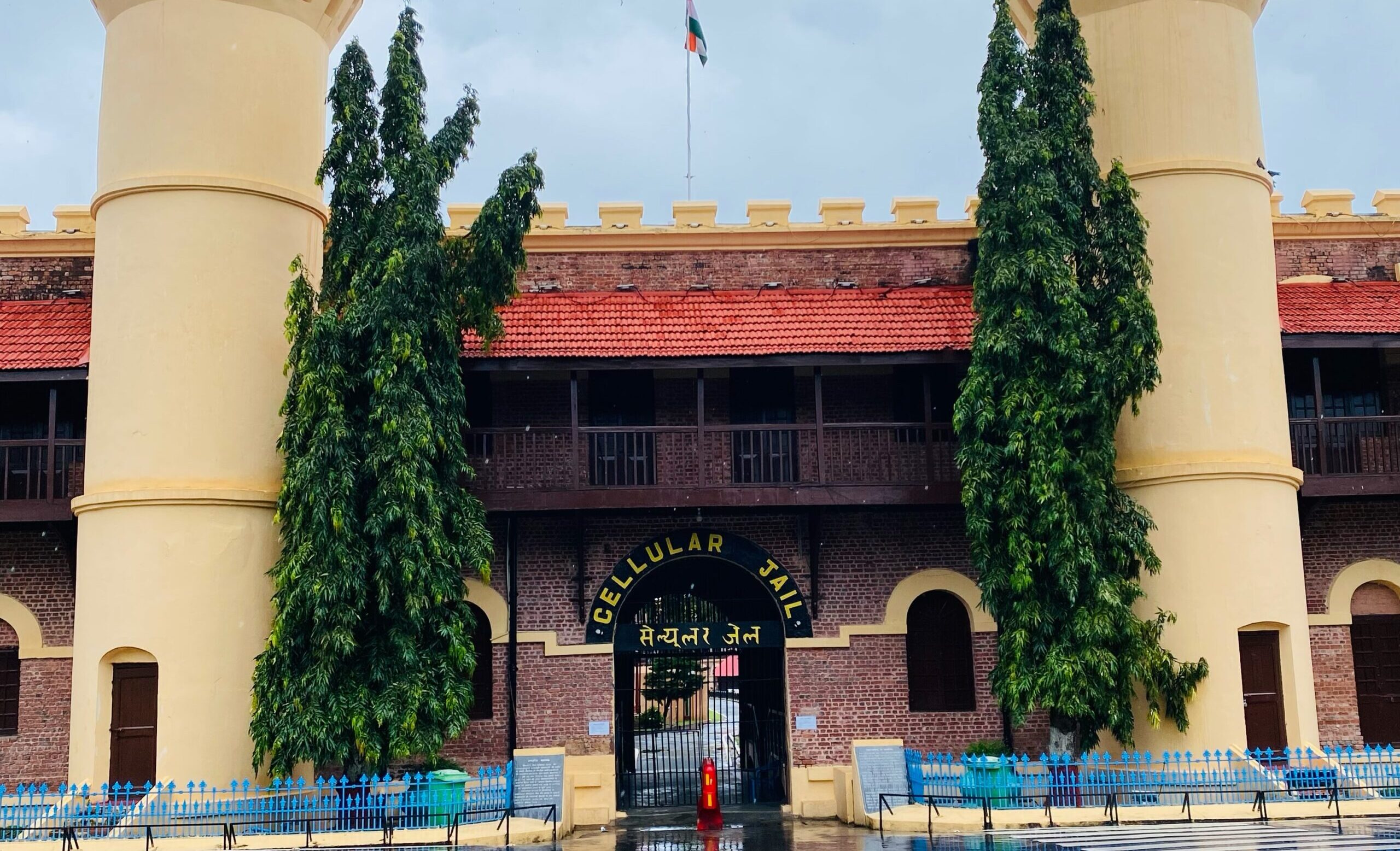
Popularly known as Kala Pani, Cellular Jail is more than a historical monument. It is a place where visitors can connect with India’s past, understand the hardships endured by political prisoners, and pay tribute to those who fought for the country’s freedom. For travellers exploring the Andaman Islands, a visit to Cellular Jail offers a meaningful cultural and educational experience beyond the region’s beautiful beaches and tropical landscapes.
Discover the History of Cellular Jail
The history of Cellular Jail is closely connected to the British colonial administration and its efforts to suppress India’s freedom movement. Following the uprising of 1857, the British developed penal settlements in the Andaman Islands to exile prisoners far from mainland India. The remote location made communication with families difficult and separation from the mainland added to the punishment.
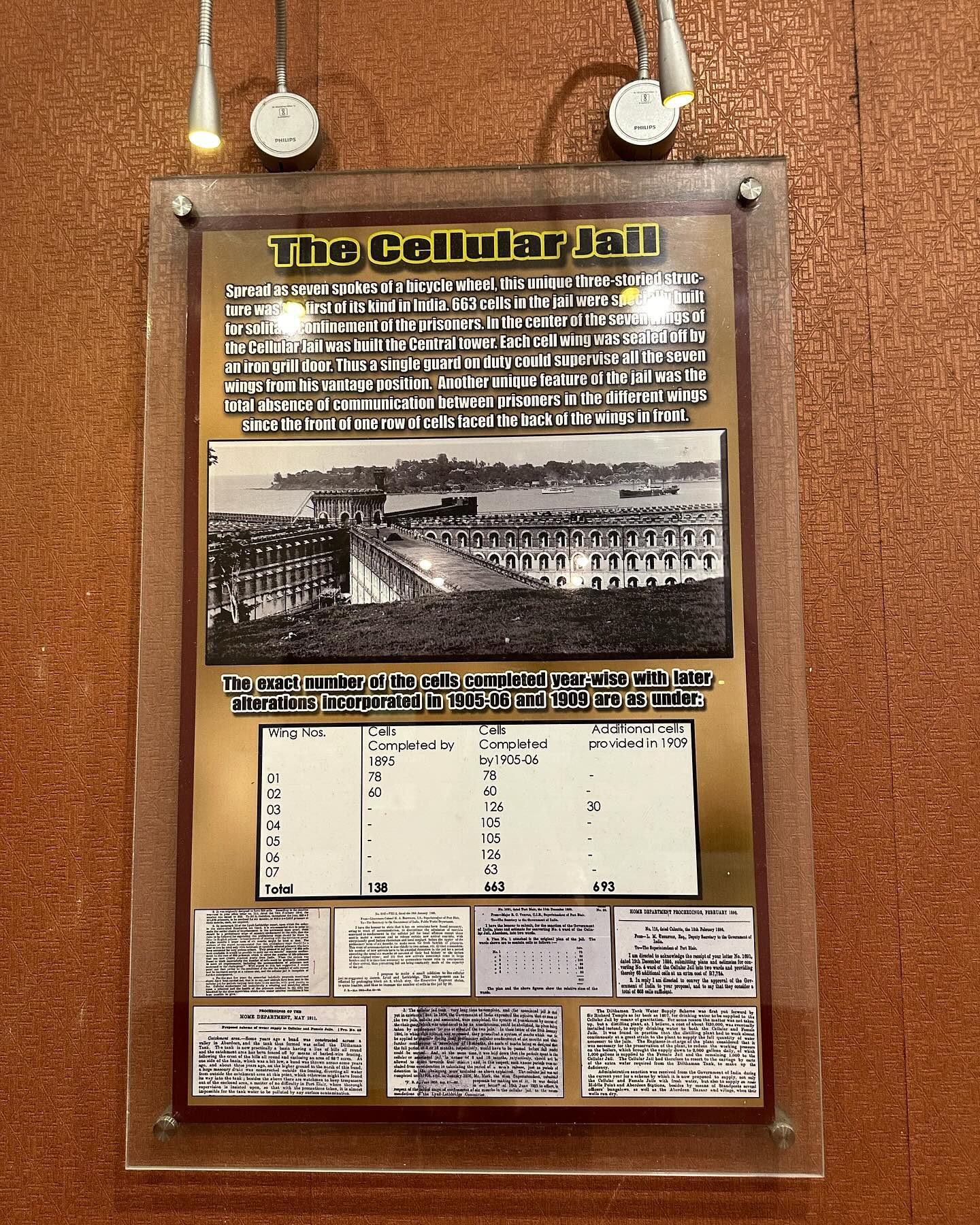
Construction of Cellular Jail began in the 1890s and was completed in 1906. The prison was designed to hold inmates in individual cells, preventing communication and collective organisation. Its name comes from this distinctive system of solitary confinement.
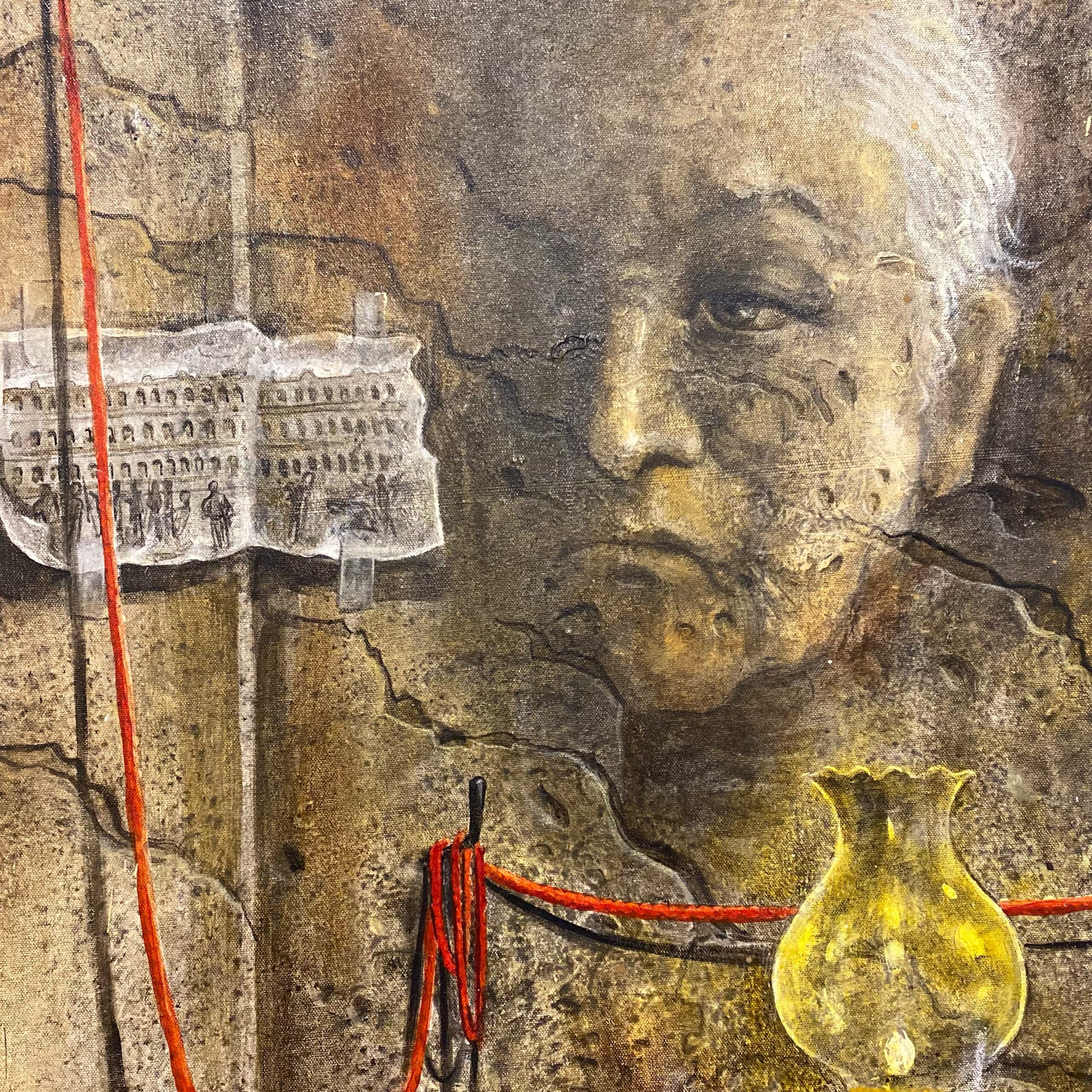
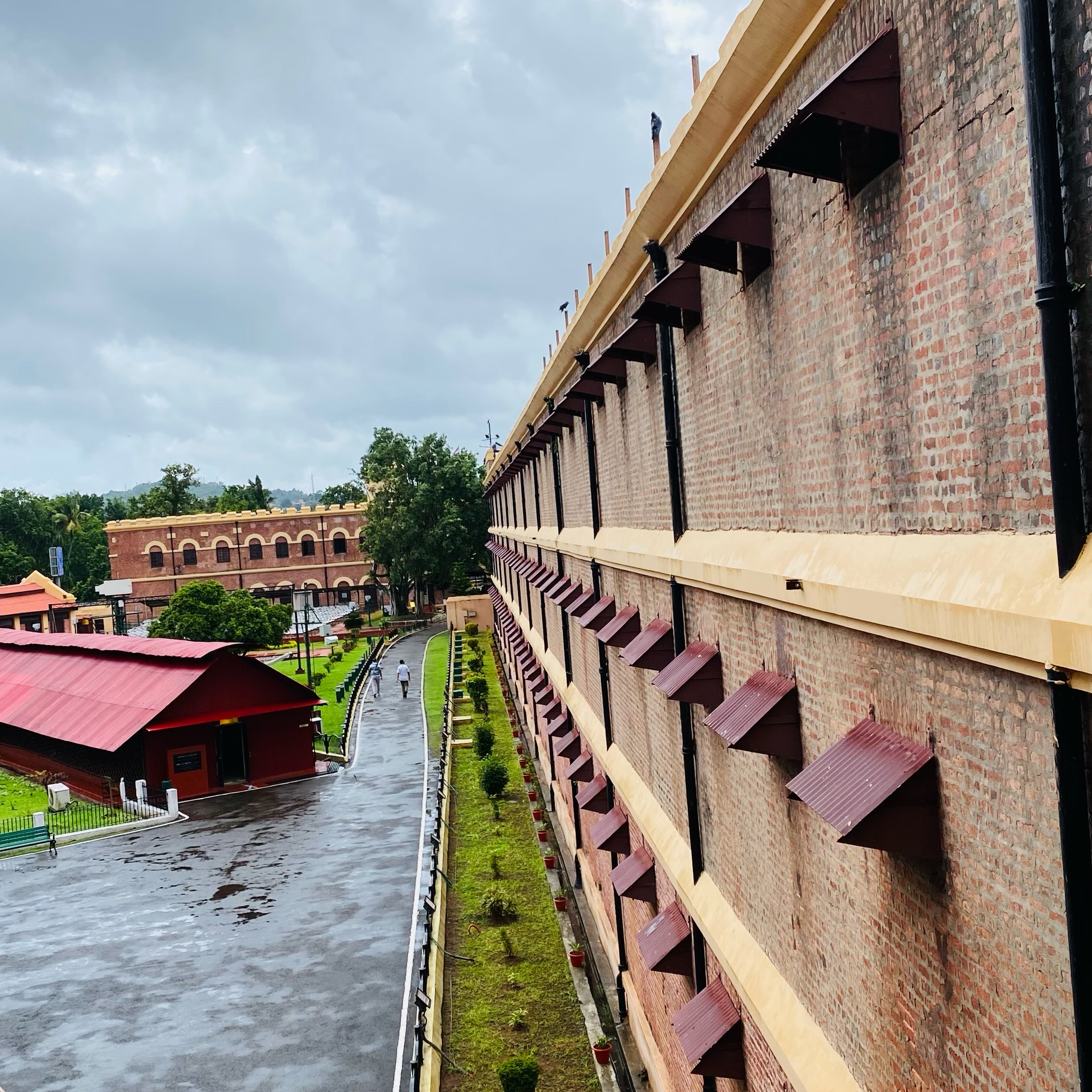
Over time, Cellular Jail became associated with the imprisonment of numerous Indian revolutionaries and political prisoners. Its history reflects the harsh realities of colonial punishment and the determination of those who continued to resist British rule despite imprisonment and severe hardship.
Today, the preserved building functions as a National Memorial, allowing visitors to learn about this difficult chapter in India’s history and honour the people who sacrificed so much for independence.
Discover the History of Cellular Jail
The history of Cellular Jail is closely connected to the British colonial administration and its efforts to suppress India’s freedom movement. Following the uprising of 1857, the British developed penal settlements in the Andaman Islands to exile prisoners far from mainland India. The remote location made communication with families difficult and separation from the mainland added to the punishment.
Construction of Cellular Jail began in the 1890s and was completed in 1906. The prison was designed to hold inmates in individual cells, preventing communication and collective organisation. Its name comes from this distinctive system of solitary confinement.
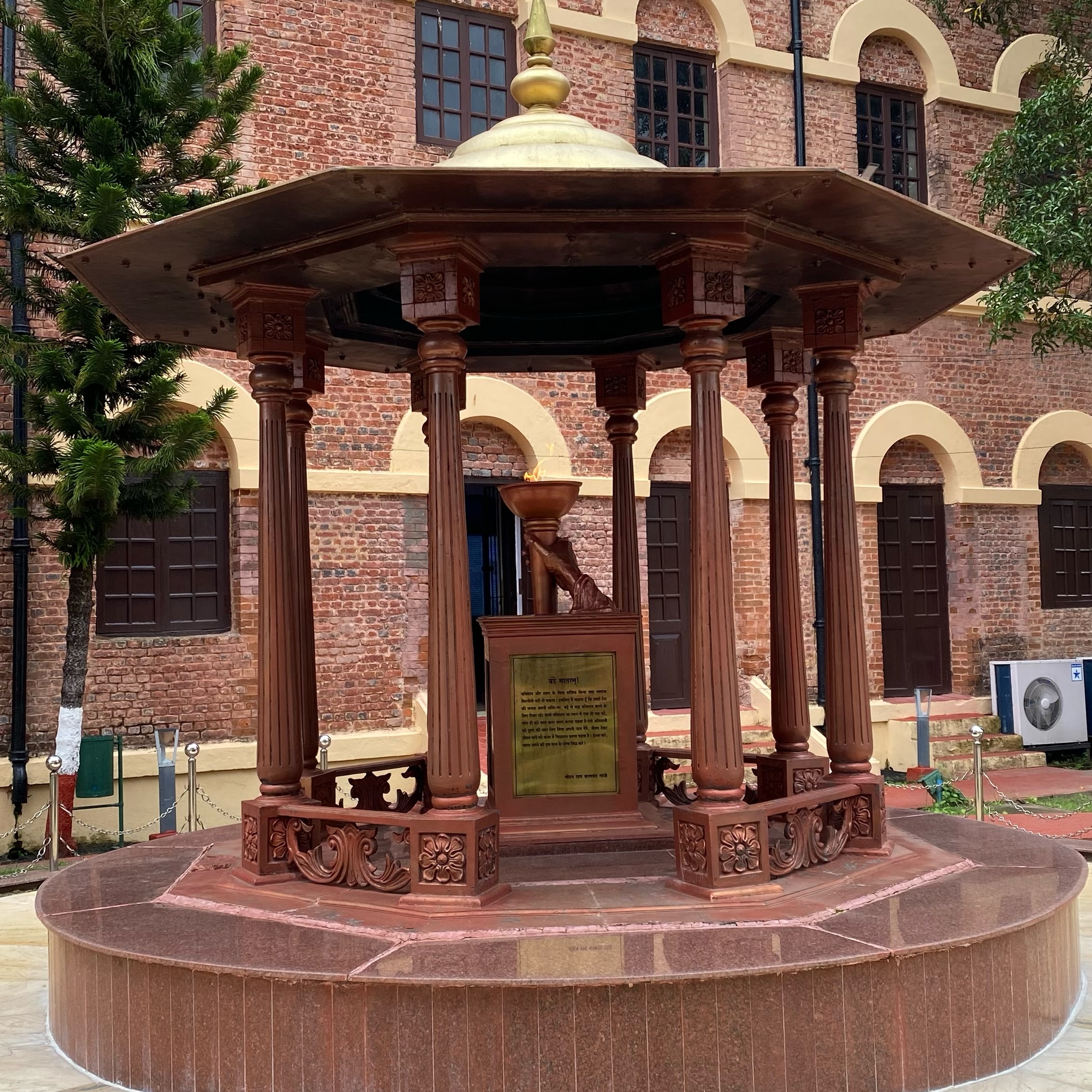
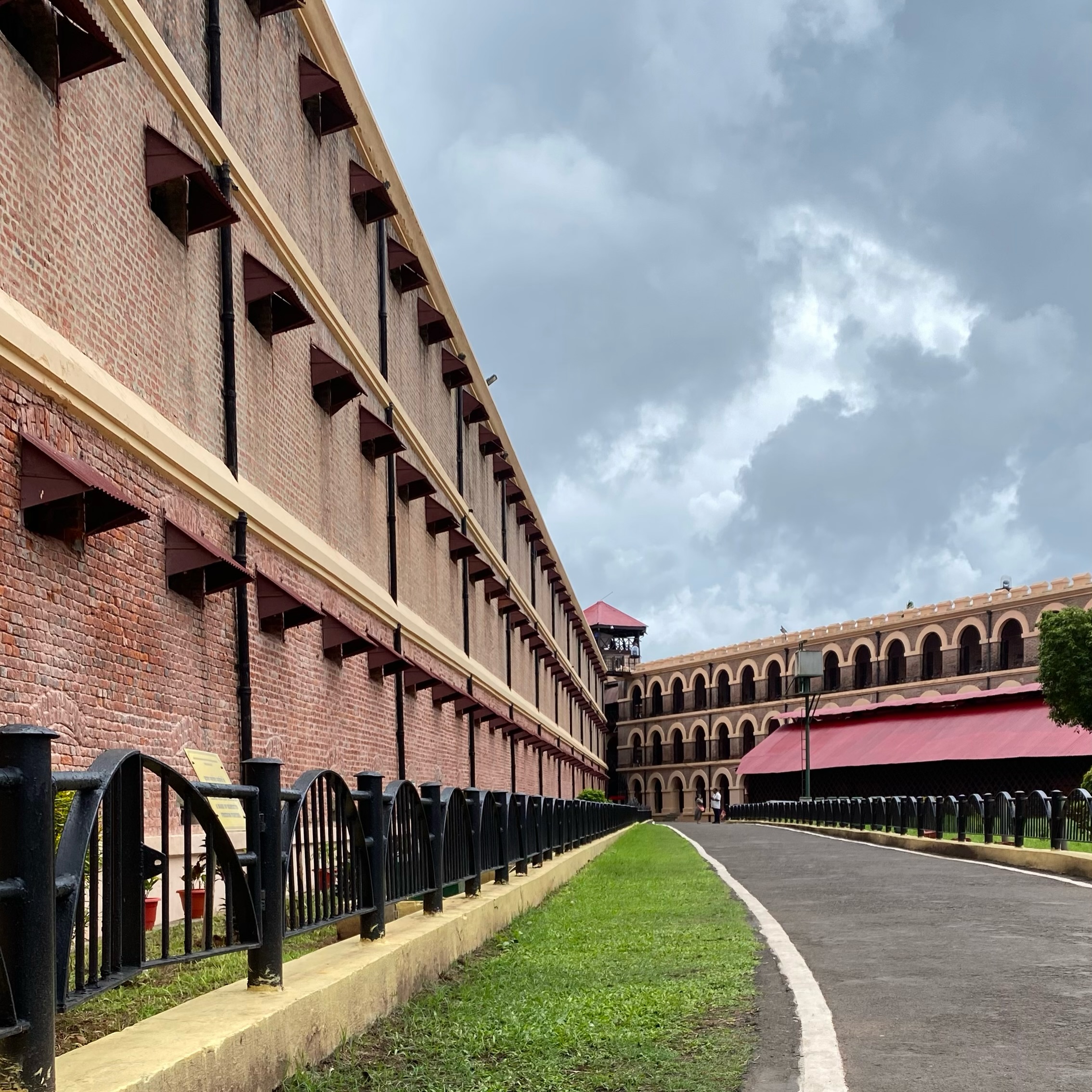
Over time, Cellular Jail became associated with the imprisonment of numerous Indian revolutionaries and political prisoners. Its history reflects the harsh realities of colonial punishment and the determination of those who continued to resist British rule despite imprisonment and severe hardship.
Today, the preserved building functions as a National Memorial, allowing visitors to learn about this difficult chapter in India’s history and honour the people who sacrificed so much for independence.
Explore the Unique Architecture of Cellular Jail
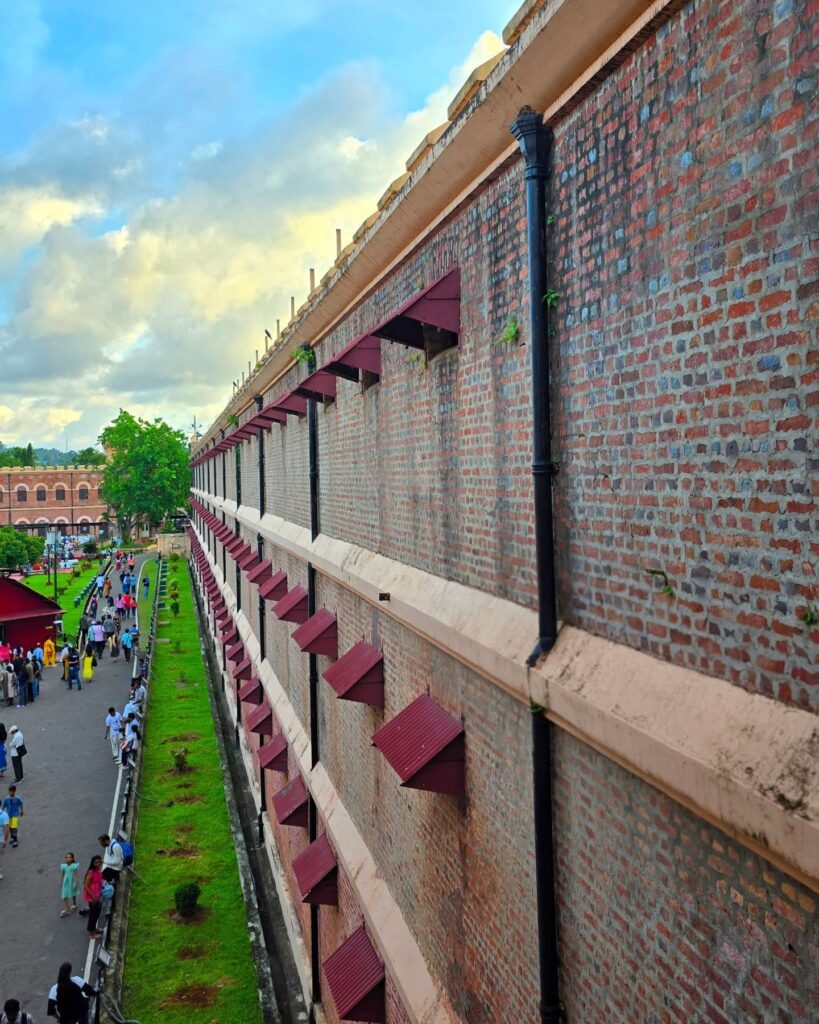
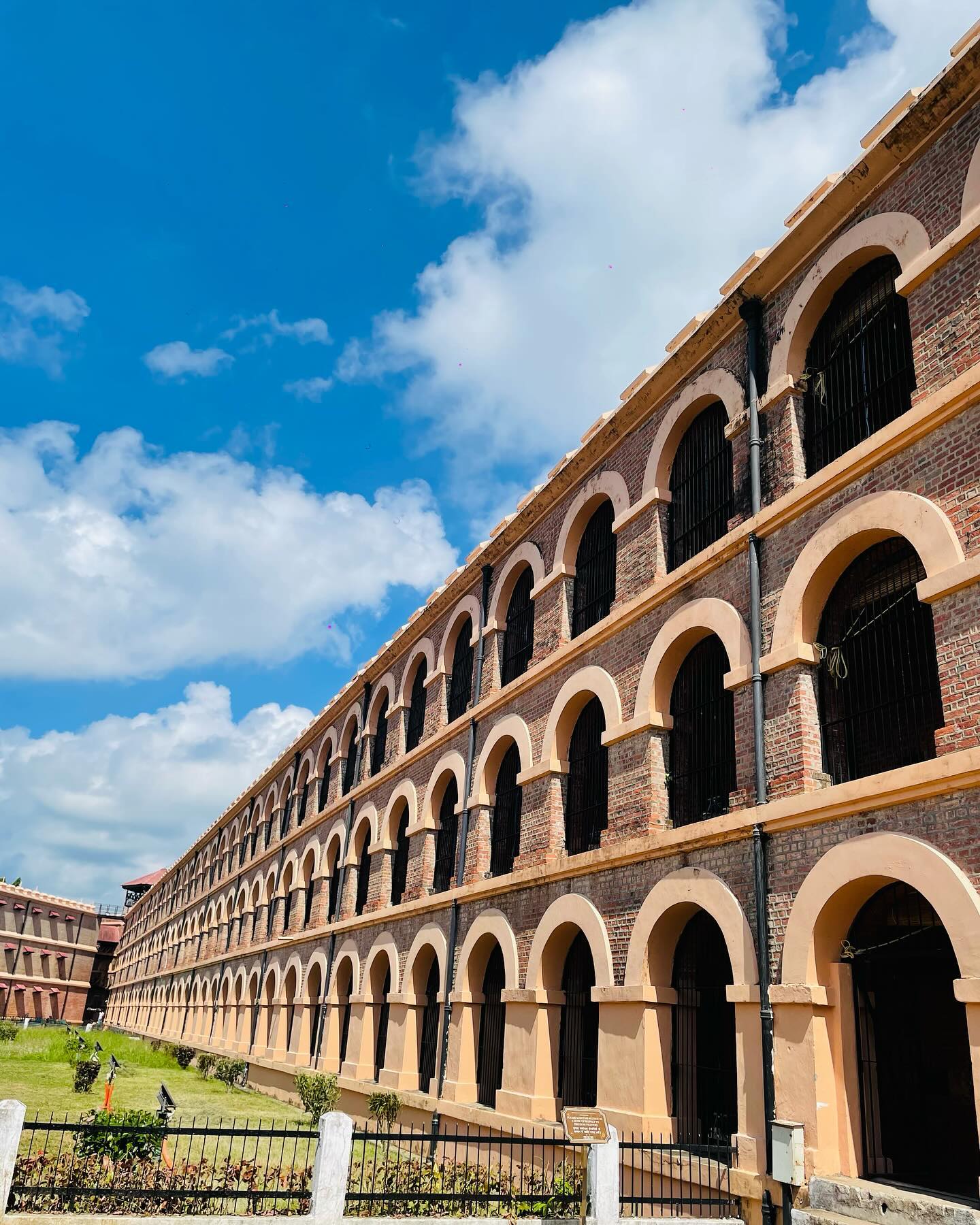
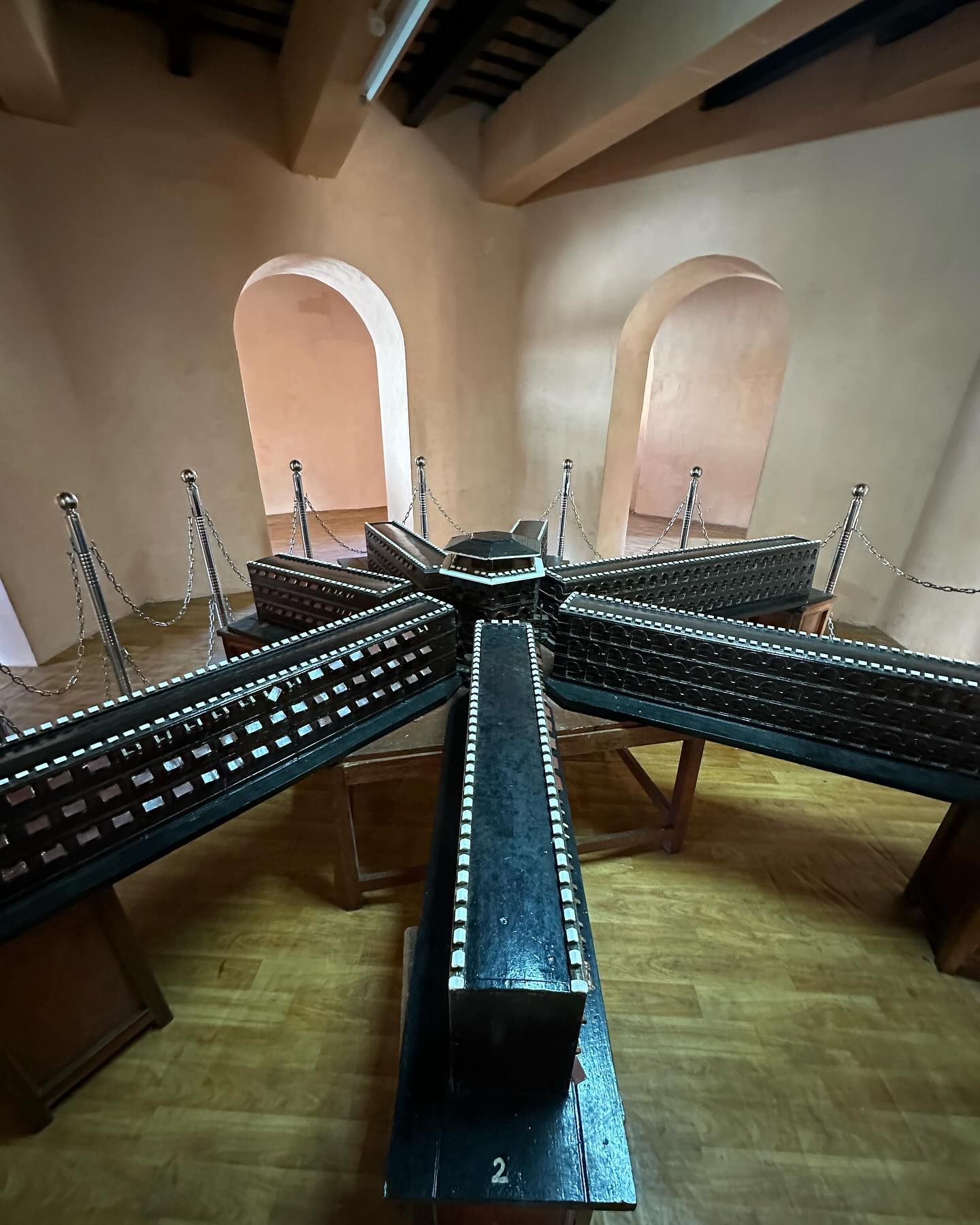
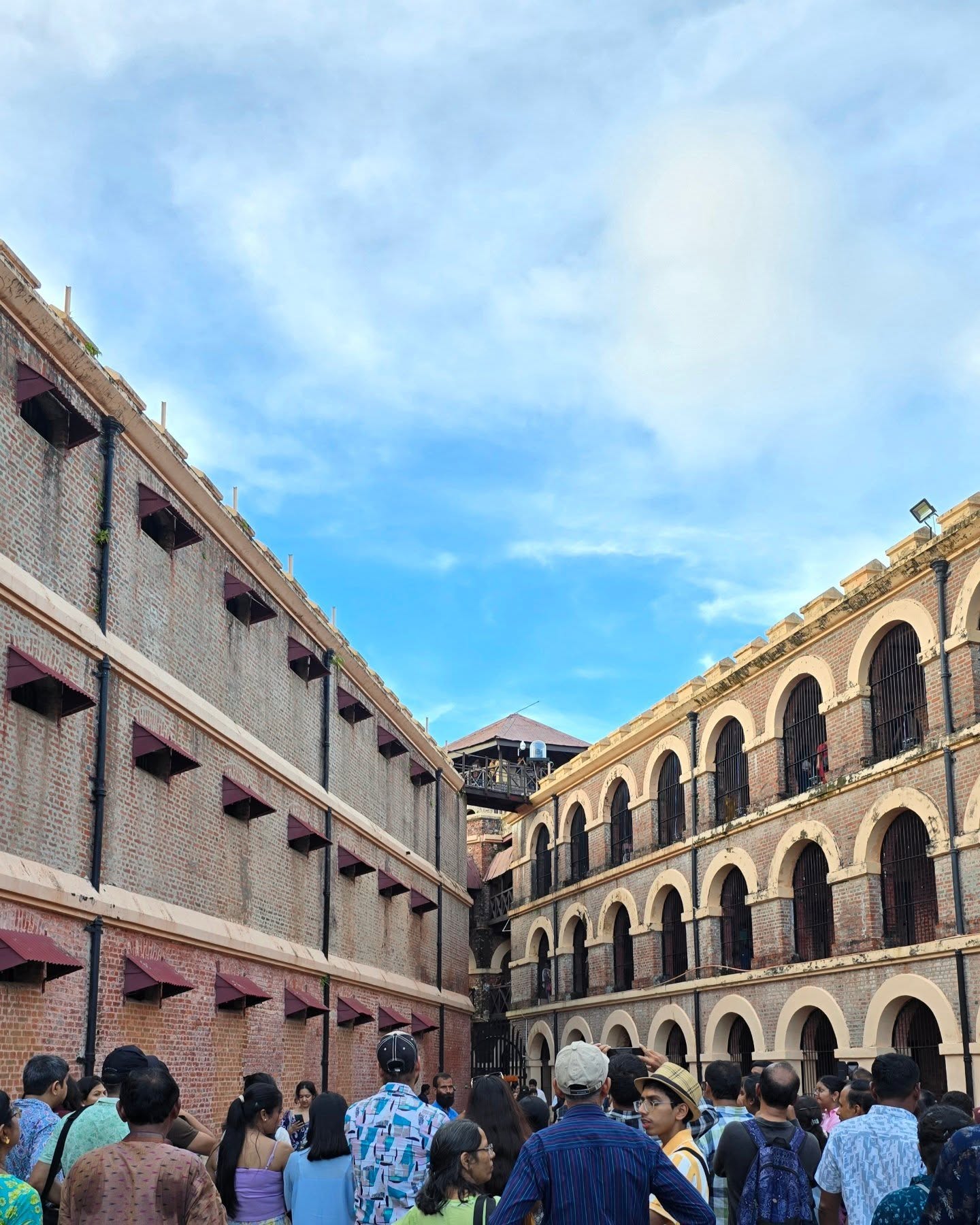
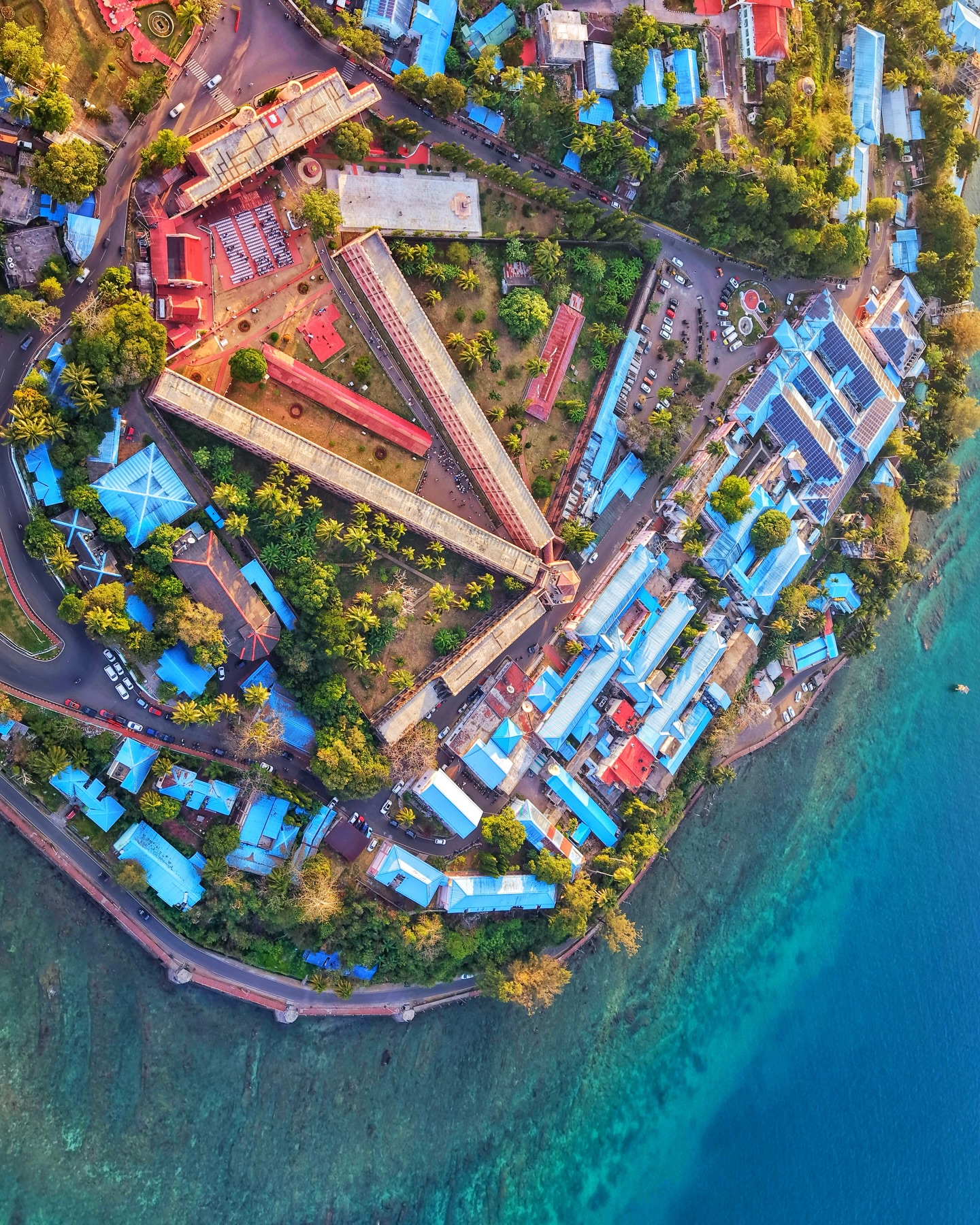
One of the most striking features of Cellular Jail is its distinctive architectural design. The original structure consisted of seven wings radiating outward from a central watchtower, resembling the spokes of a wheel. Each wing had three storeys containing individual prison cells.
This design was deliberately created to isolate prisoners. The arrangement of the wings restricted communication between inmates, while the central tower allowed guards to monitor the surrounding corridors.
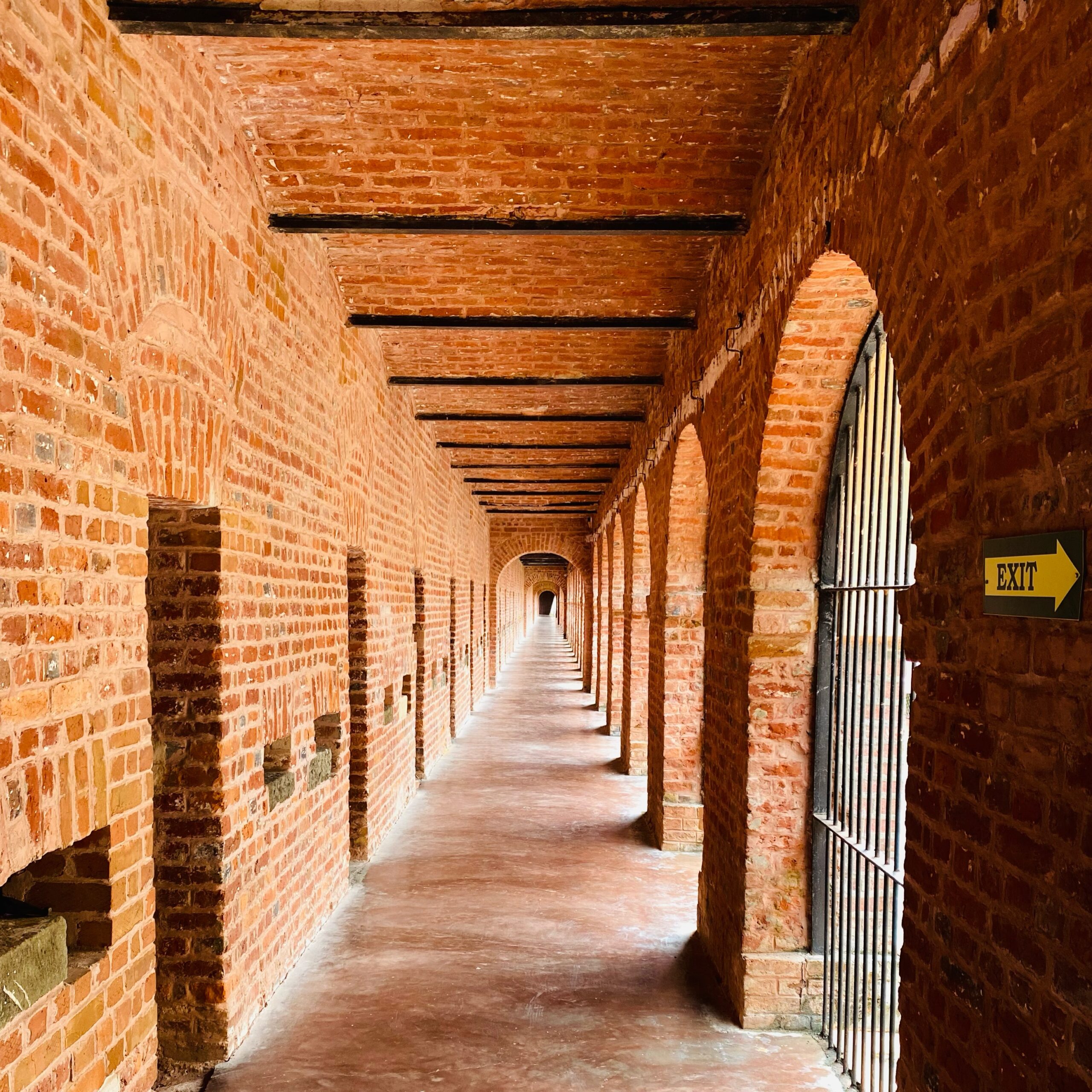
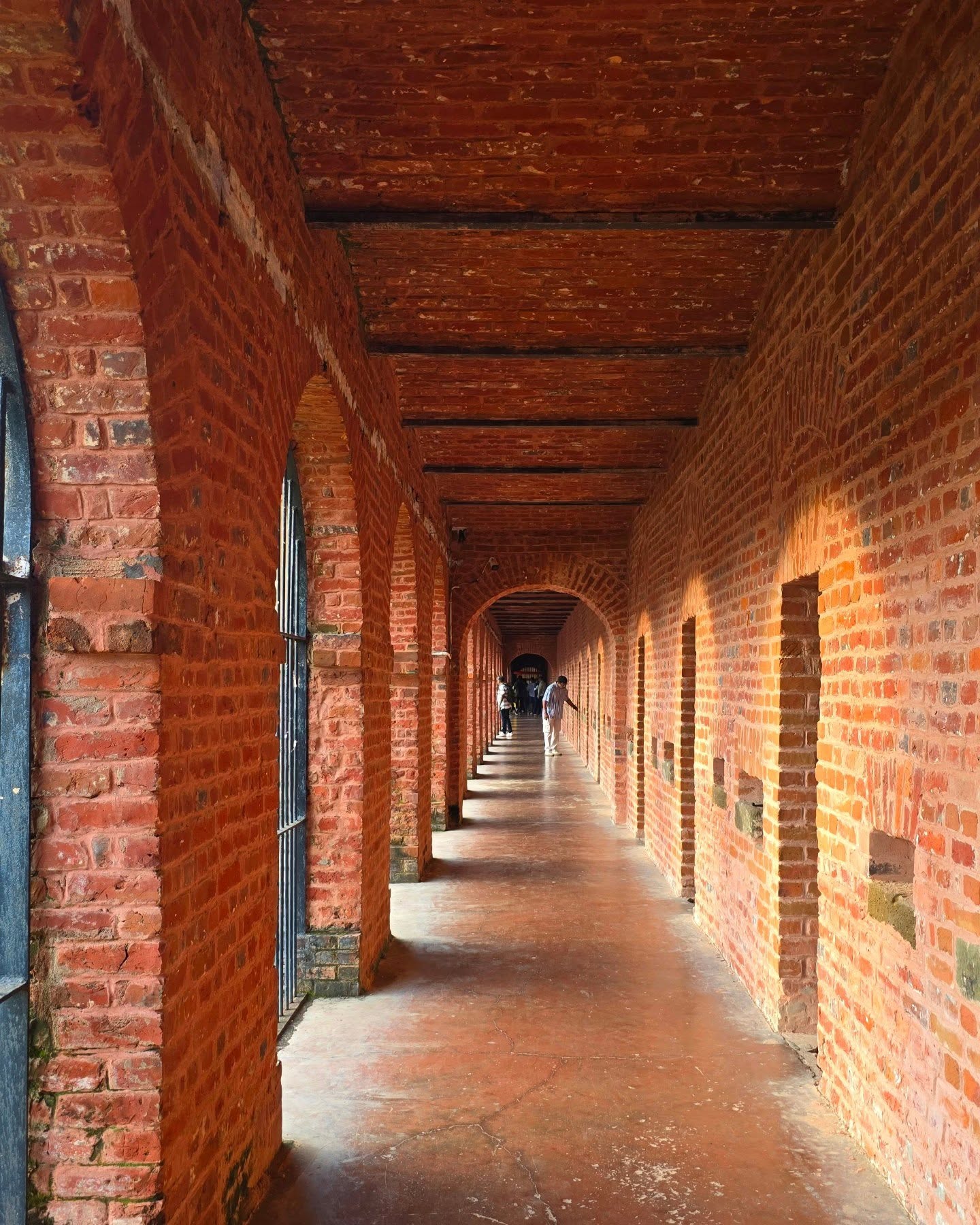
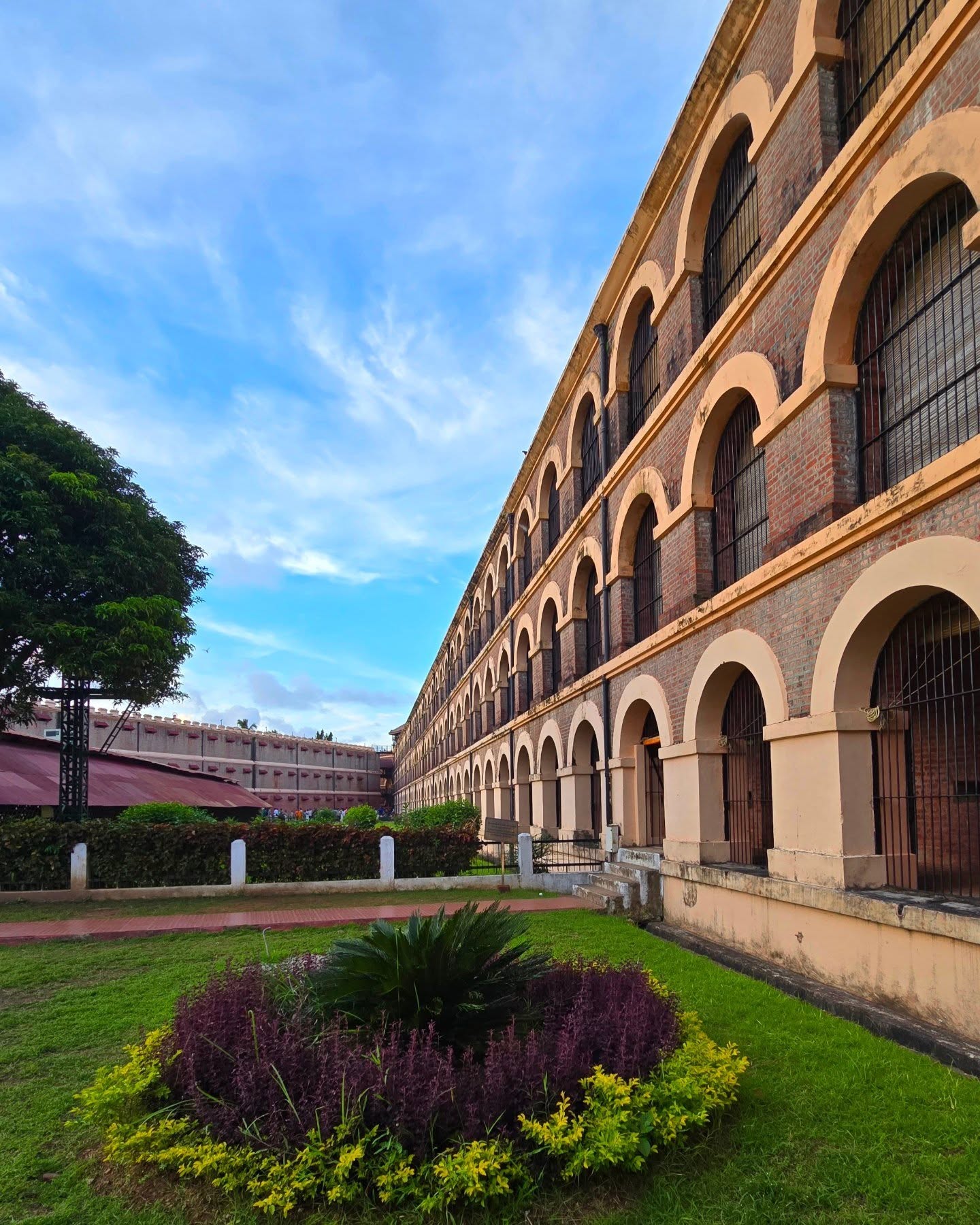
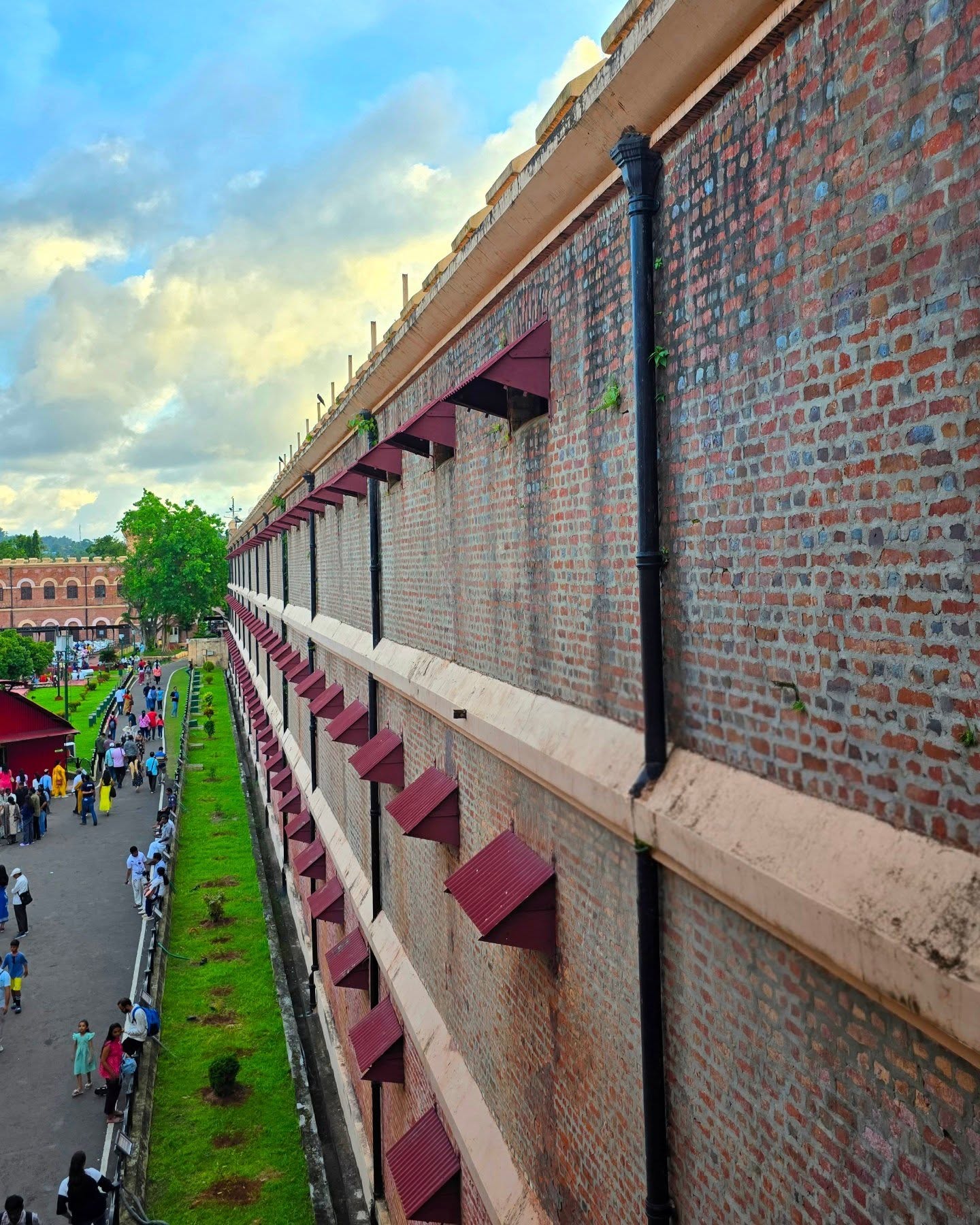
Only three of the original seven wings remain today. Walking through the surviving corridors offers visitors a glimpse into the austere prison environment and the conditions under which inmates were confined.
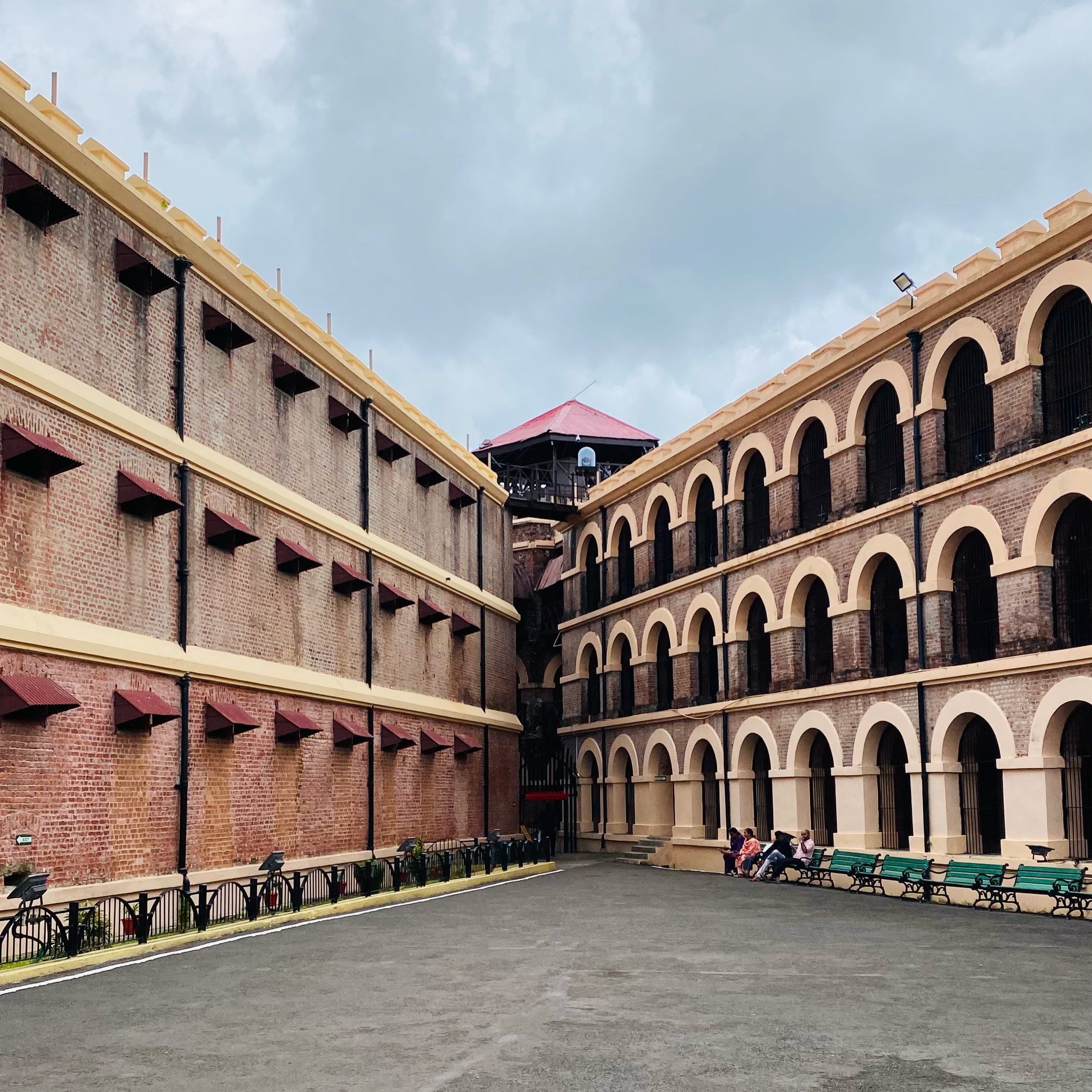
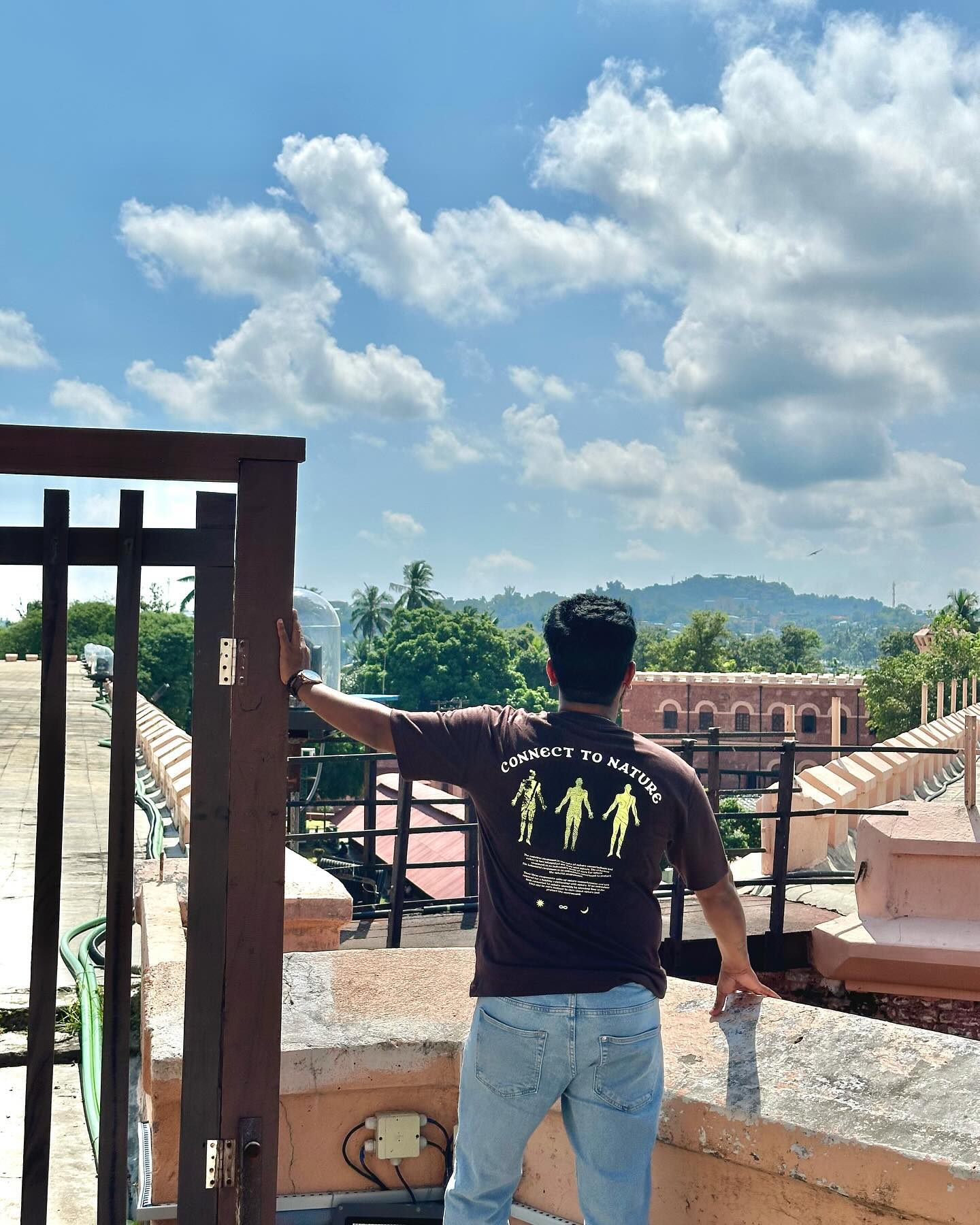
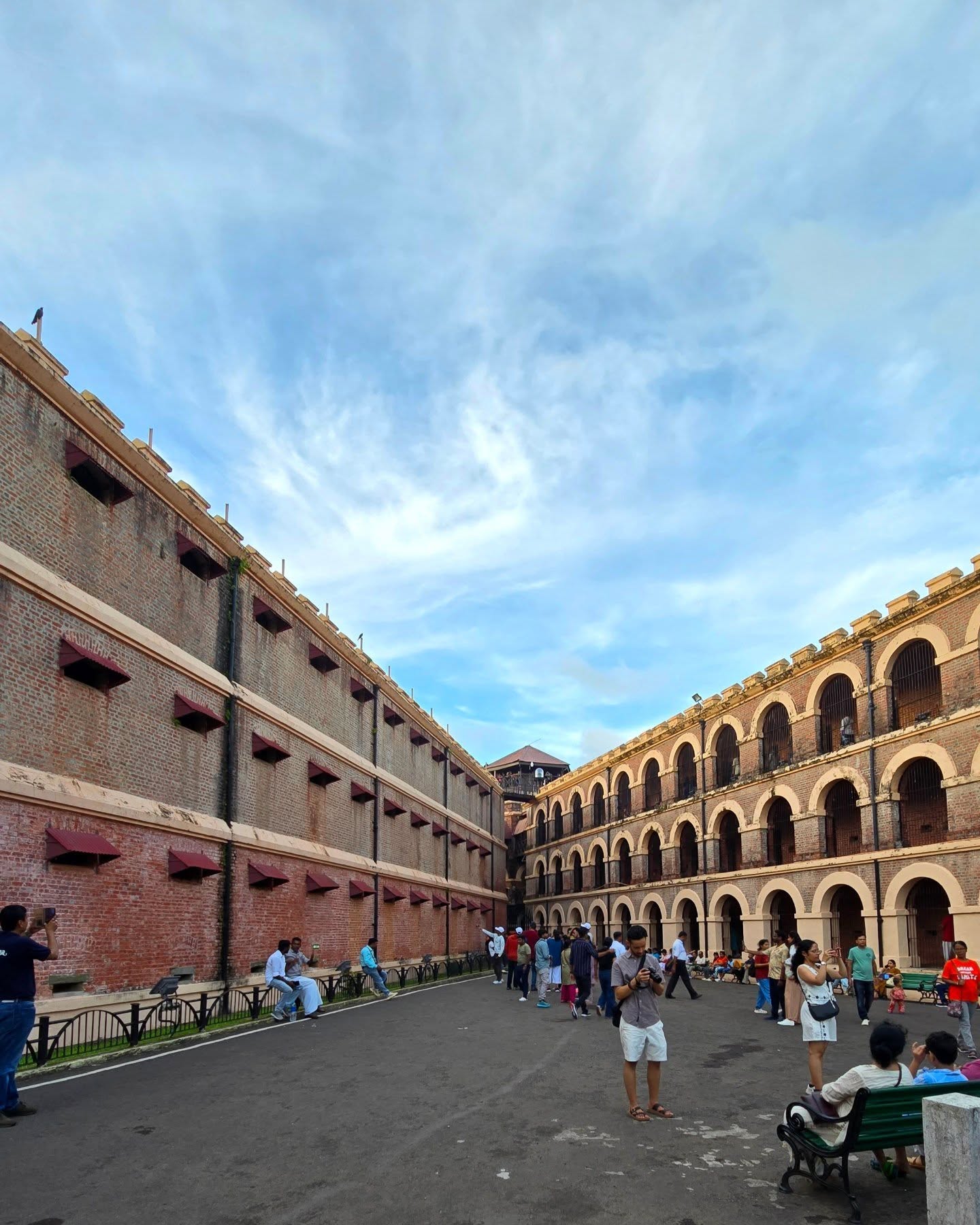
The narrow cells, iron-barred openings, long corridors, and preserved structures create a powerful atmosphere. Rather than simply observing an old building, visitors gain a deeper understanding of how the prison’s architecture was used to enforce isolation and control.
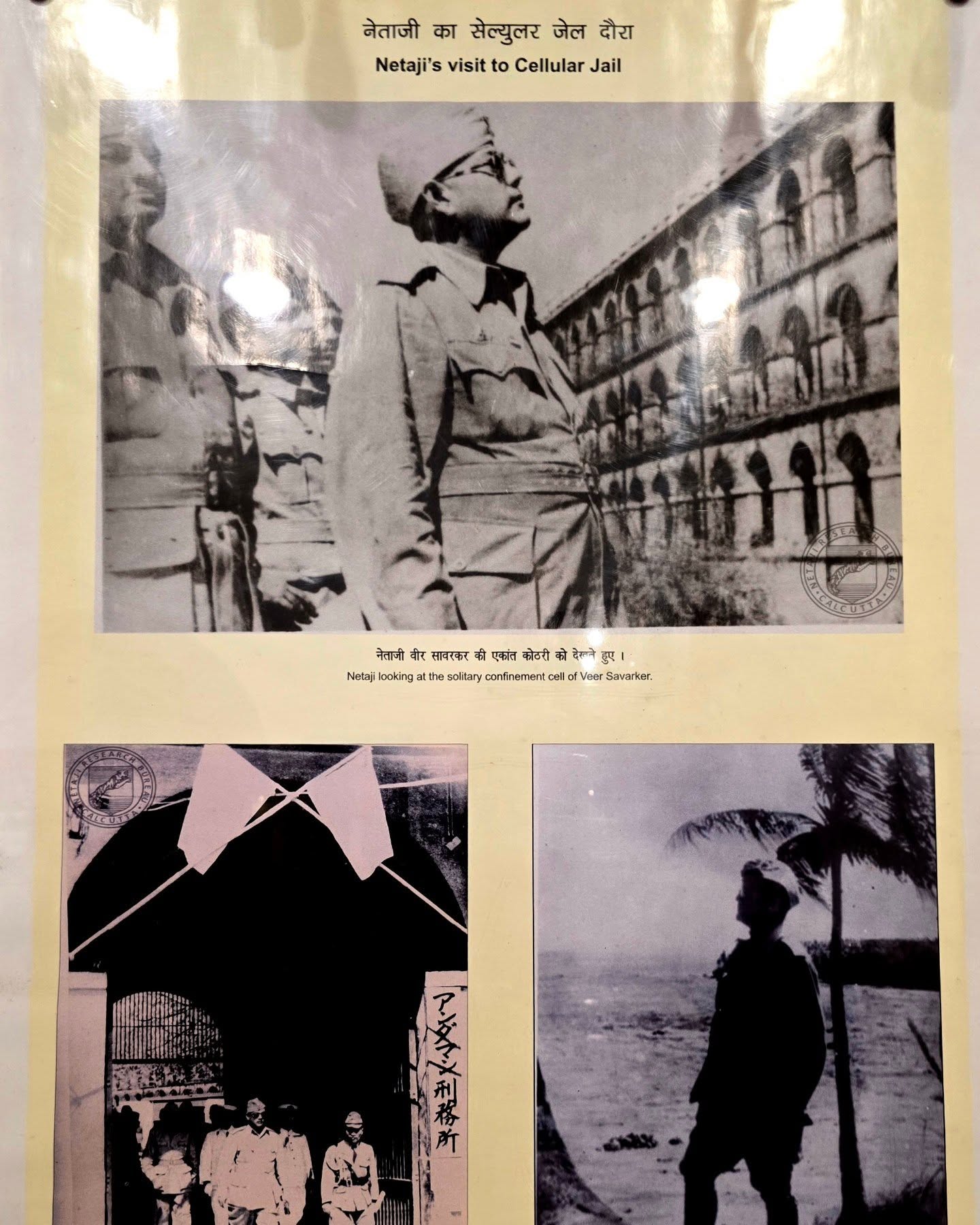
The memorial also includes historical exhibits, photographs, galleries, and displays that provide additional insight into the lives of the prisoners and the events surrounding India’s freedom struggle.
Remember the Sacrifices of India's Freedom Fighters
Cellular Jail is inseparably linked with the courage and sacrifices of Indian freedom fighters who endured imprisonment far from their homes and families.
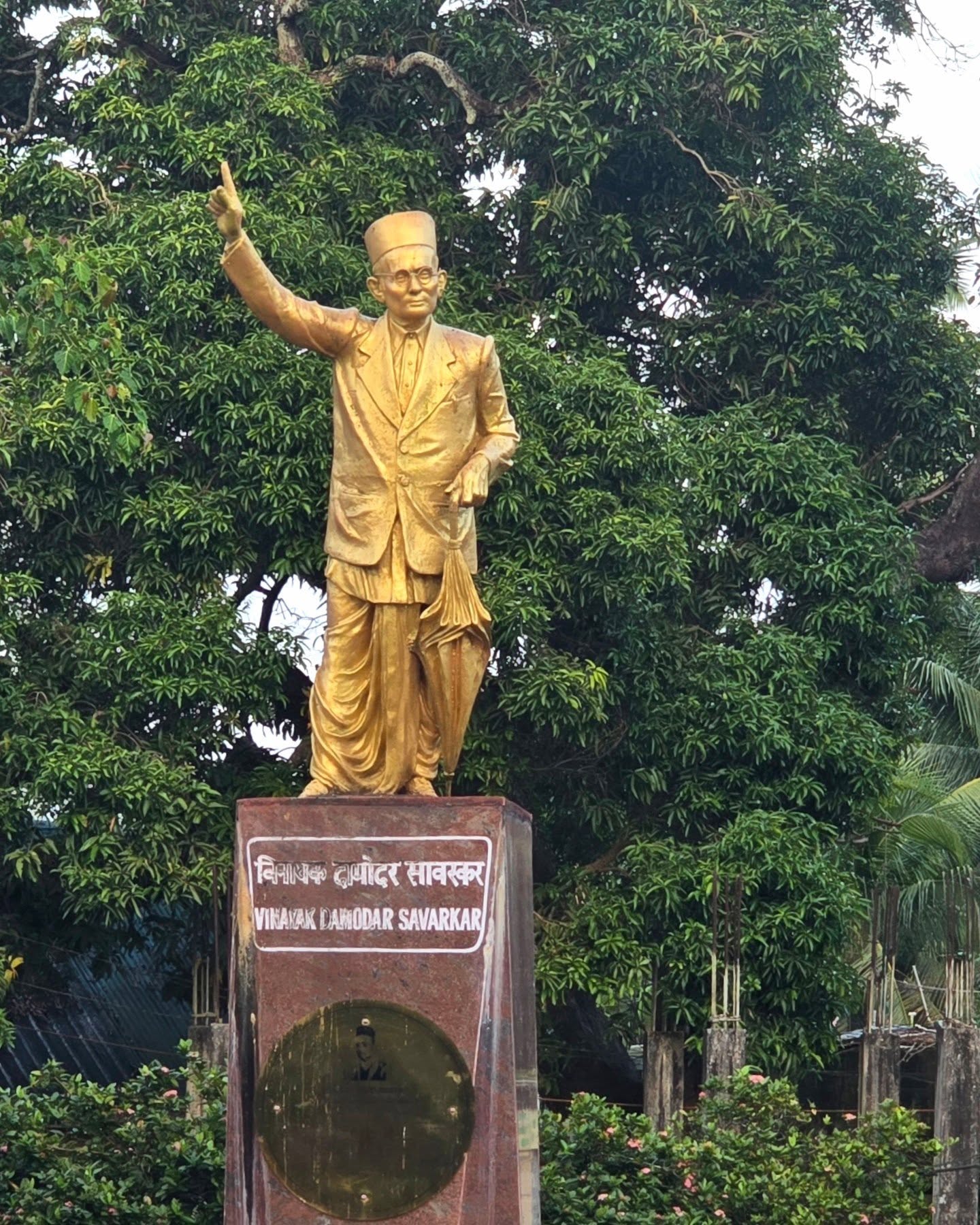
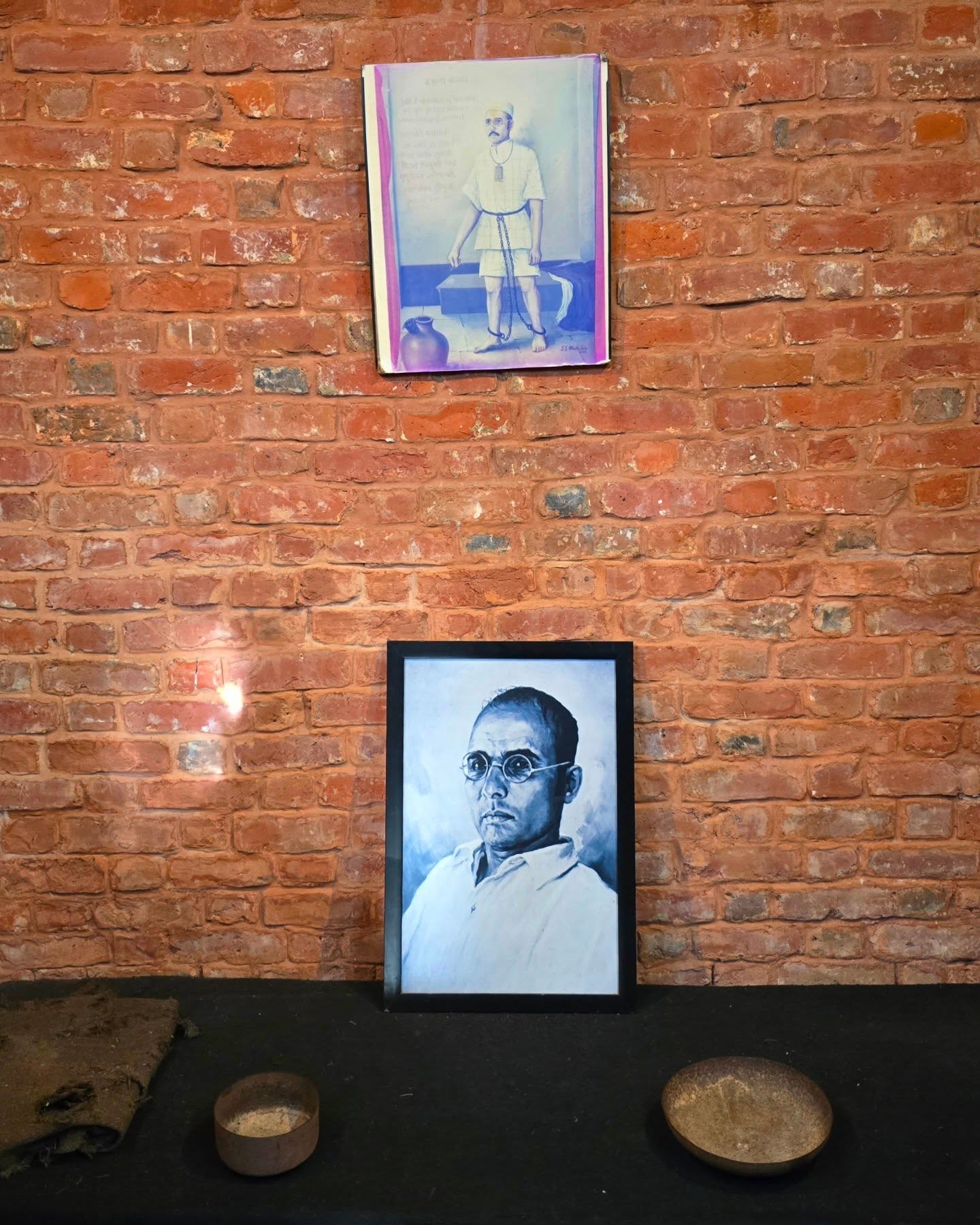
Among its most widely remembered inmates was Vinayak Damodar Savarkar, a revolutionary who was imprisoned in the jail during British rule. His confinement, along with the experiences of other political prisoners, forms an important part of the memorial’s historical narrative.
Prisoners were subjected to severe restrictions, forced labour, isolation, and other harsh conditions. Despite these difficulties, many continued to hold on to their beliefs and resistance to colonial rule.
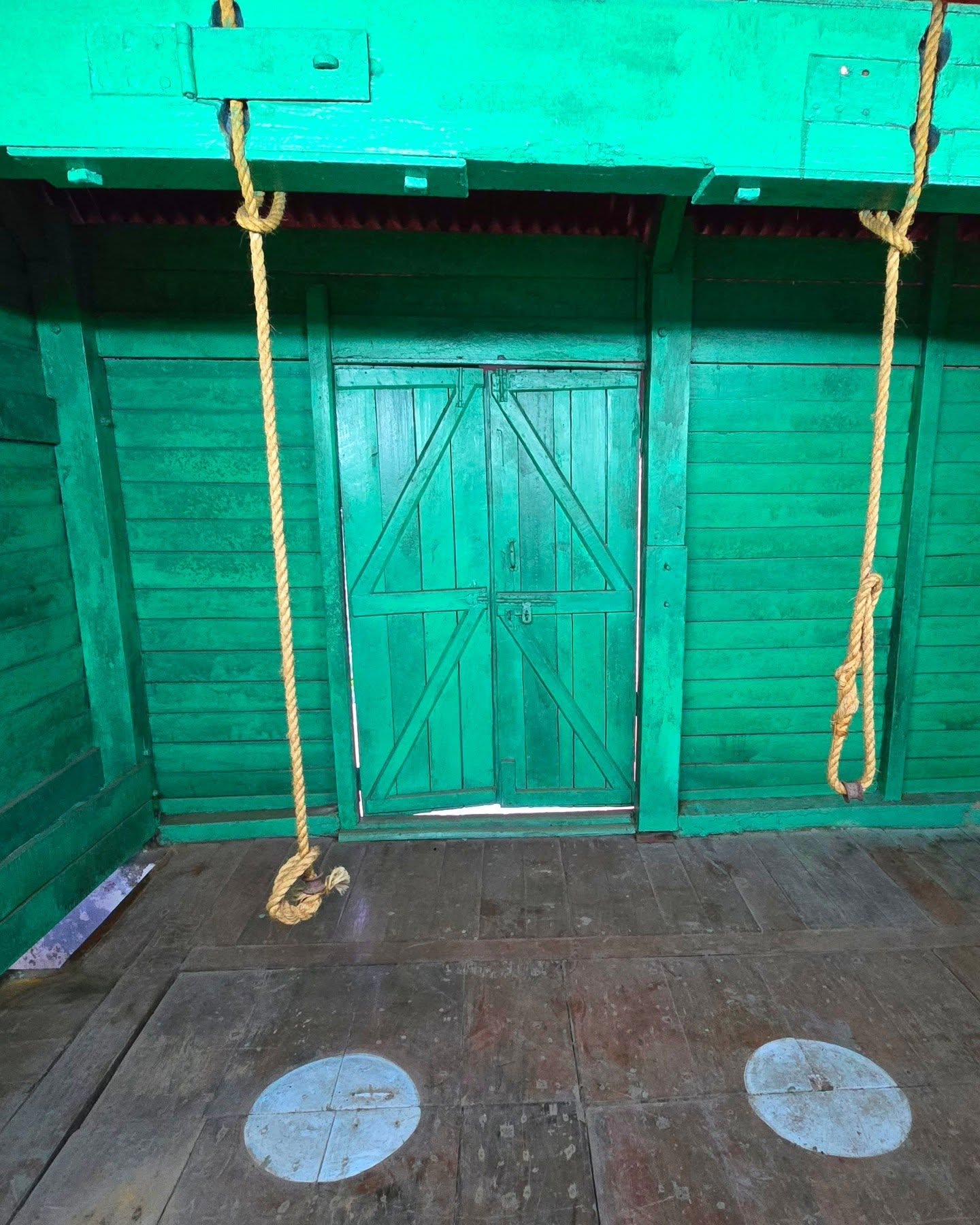
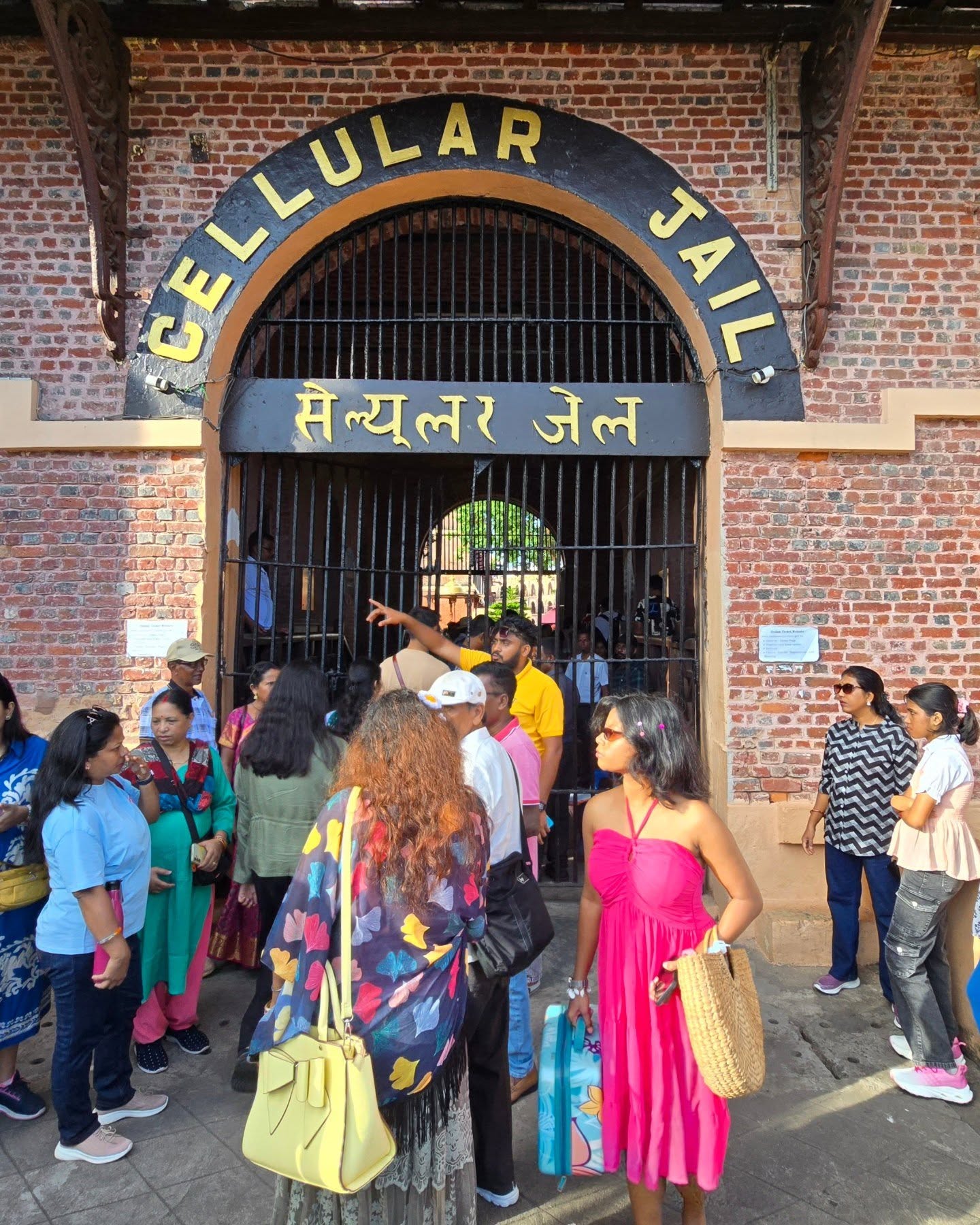
The jail also became a symbol of the wider struggle for independence, reminding later generations of the immense personal sacrifices made in the pursuit of freedom.
As you explore the memorial, take time to read the exhibits and reflect on the experiences of those who were imprisoned here. A respectful visit offers a meaningful opportunity to appreciate the value of independence and the importance of remembering India’s history.
Experience the Emotional Light and Sound Show
One of the most memorable experiences at Cellular Jail is the evening Light and Sound Show, which brings the history of the prison and the sacrifices of freedom fighters to life.
Through narration, dramatic lighting, and the historic surroundings, the show recounts events associated with the jail and the broader freedom movement. The experience helps visitors understand the emotional significance of this place and the hardships endured by its inmates.
The illuminated prison walls and the stories presented during the performance create an atmosphere that is both moving and educational. For many travellers, the show becomes one of the highlights of their Port Blair sightseeing experience.
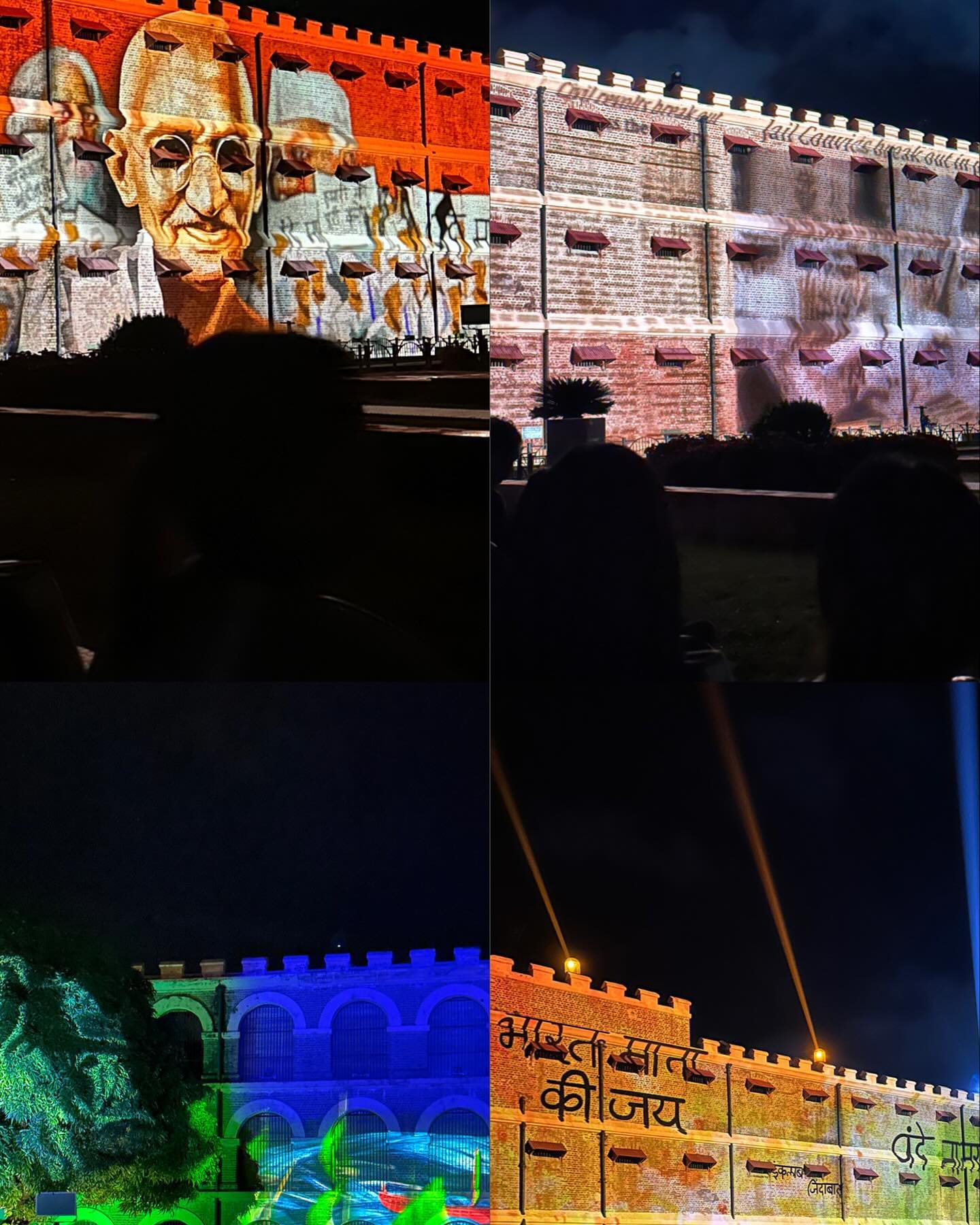
Hindi and English performances have traditionally been offered in separate sessions. However, show timings, language options, ticket prices, and availability can change, so visitors should check the latest official schedule and reserve tickets in advance where possible.
Arrive early enough to complete entry formalities and find your designated seating. Photography, video recording, and other visitor activities may be subject to restrictions during the performance.
Things to See at Cellular Jail National Memorial
A visit to Cellular Jail offers several opportunities to explore its historical and educational features.
1. The Historic Prison Cells
Walk through the surviving prison wings and observe the small individual cells that illustrate the conditions of solitary confinement. The architecture provides a direct connection to the experiences of the inmates.
2. The Central Watchtower
The central tower was a key element of the prison’s original design. Its position provided surveillance across the radiating wings and demonstrates how the structure was organised to maintain control over prisoners.
3. Historical Museum and Galleries
Explore available exhibits, photographs, and displays documenting the history of the prison, its inmates, and India’s freedom struggle. These exhibits help visitors understand the memorial beyond its physical architecture.
4. The Memorial Courtyard
Spend time in the memorial grounds reflecting on the site’s historical importance. The peaceful atmosphere provides an opportunity to pay tribute to the sacrifices made by freedom fighters.
5. The Evening Light and Sound Show
Complete your visit with the evening presentation, subject to the current schedule and ticket availability. The narrated history and lighting effects provide a different perspective on the memorial.
How to Reach Cellular Jail
Cellular Jail is located at Atlanta Point in Sri Vijaya Puram, making it one of the most convenient historical attractions to visit during an Andaman holiday.
Step 1: Arrive in Sri Vijaya Puram. Fly into Veer Savarkar International Airport, formerly known as Port Blair Airport, from your departure city.
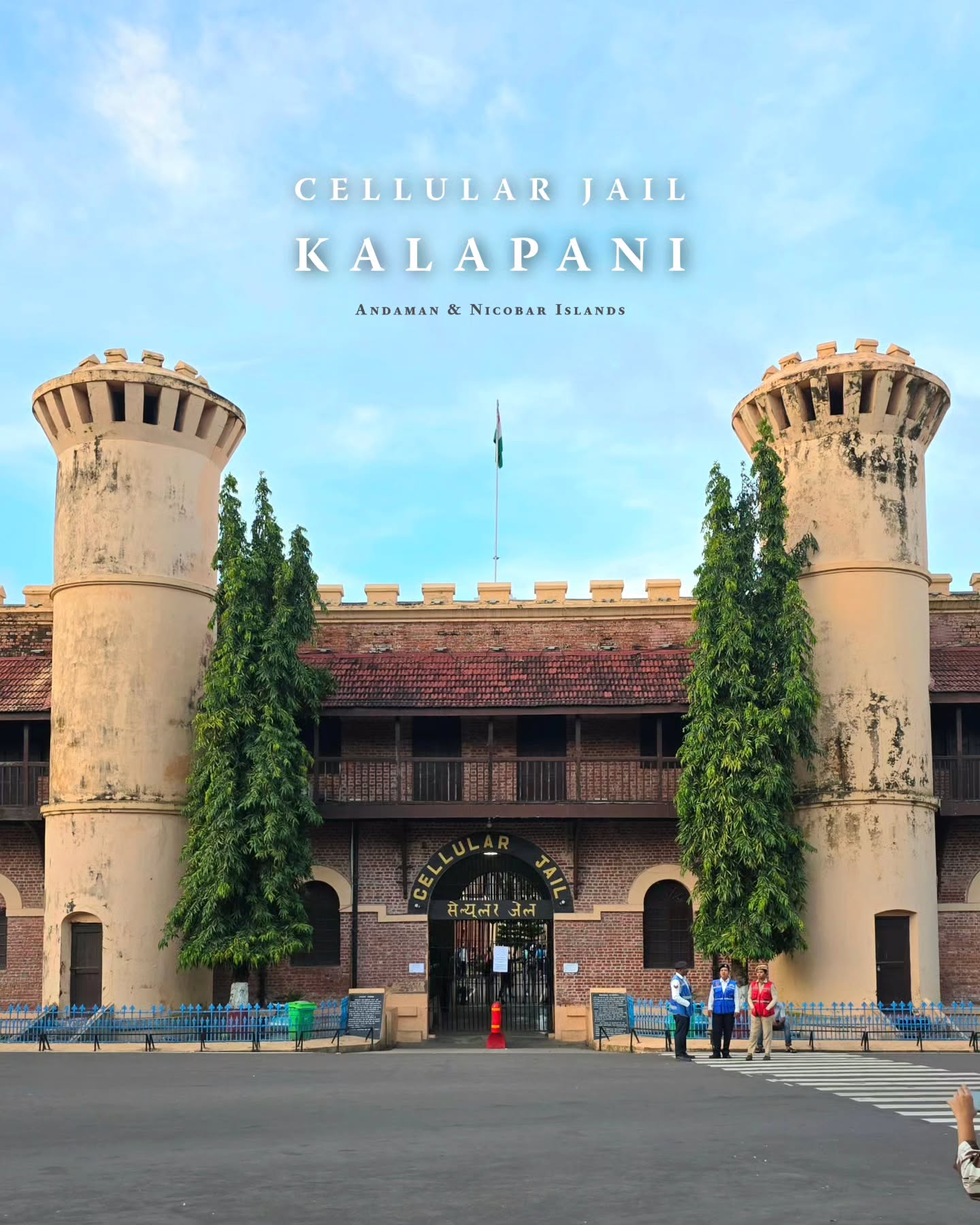
Step 2: Travel to Cellular Jail. The memorial is accessible by road from the airport, hotels, and central areas of the city. Taxis, auto-rickshaws, and other local transport options may be available.
Step 3: Plan your visit. Explore the memorial and its exhibits during the permitted visiting hours. If you plan to attend the Light and Sound Show, check the schedule and arrange your tickets beforehand.
Because Cellular Jail is within the city, it can easily be combined with other Port Blair attractions such as Corbyn’s Cove Beach, Marina Park, and the Aberdeen waterfront.
Best Time to Visit Cellular Jail
Cellular Jail can be visited throughout the year, subject to official opening hours, holidays, and any temporary restrictions.
The period from October to May is generally favourable for exploring Port Blair and combining historical sightseeing with outdoor activities across the Andaman Islands.
A late-afternoon visit can be convenient for travellers who wish to explore the memorial before attending an evening Light and Sound Show, provided the day’s schedule allows enough time. Visitors interested in the museum and galleries should plan to arrive earlier because daytime visiting hours are limited.
Opening days, museum timings, show sessions, and ticket arrangements may be updated. Confirm the latest information through official tourism or administration resources before departure.
Best Time to Visit Cellular Jail
Cellular Jail can be visited throughout the year, subject to official opening hours, holidays, and any temporary restrictions.
The period from October to May is generally favourable for exploring Port Blair and combining historical sightseeing with outdoor activities across the Andaman Islands.
A late-afternoon visit can be convenient for travellers who wish to explore the memorial before attending an evening Light and Sound Show, provided the day’s schedule allows enough time. Visitors interested in the museum and galleries should plan to arrive earlier because daytime visiting hours are limited.
Opening days, museum timings, show sessions, and ticket arrangements may be updated. Confirm the latest information through official tourism or administration resources before departure.
Essential Travel Tips for Visitors
To make your visit comfortable and meaningful, keep these practical tips in mind:
Carry a valid form of identification and any required booking confirmation.
Check museum opening hours and Light and Sound Show timings before travelling.
Book show tickets in advance when online reservations are available.
Wear comfortable footwear, as exploring the memorial involves walking through corridors and across the grounds.
Allow adequate time to read the historical exhibits rather than rushing through the site.
Follow photography rules and all instructions provided by memorial staff.
Maintain a respectful atmosphere throughout the memorial and during the show.
Combine the visit with nearby attractions if your itinerary allows sufficient time.
Explore the Heritage of Andaman with Nemo Wander
The Andaman Islands are famous for turquoise waters, tropical beaches, and beautiful island landscapes, but their history is equally important to understanding the destination. Cellular Jail offers travellers an opportunity to discover the stories, struggles, and sacrifices that helped shape India’s journey to independence.
At Nemo Wander, we help travellers experience the many sides of Andaman through thoughtfully planned holiday packages, convenient local transfers, and memorable sightseeing arrangements.
Whether you are travelling with family, exploring India’s heritage, or visiting the islands for the first time, Cellular Jail deserves a place in your Port Blair itinerary. You can combine this historic landmark with Corbyn’s Cove Beach, Ross Island, and other nearby attractions to create a balanced travel experience that brings together history, culture, and natural beauty.
Ready to discover the history and heritage of Andaman? Contact Nemo Wander today to plan your holiday, explore Port Blair’s iconic landmarks, and experience the stories that make these islands truly unforgettable.
Discover the past, honour the heroes, and explore the beauty of Andaman with Nemo Wander!